Exhibitions
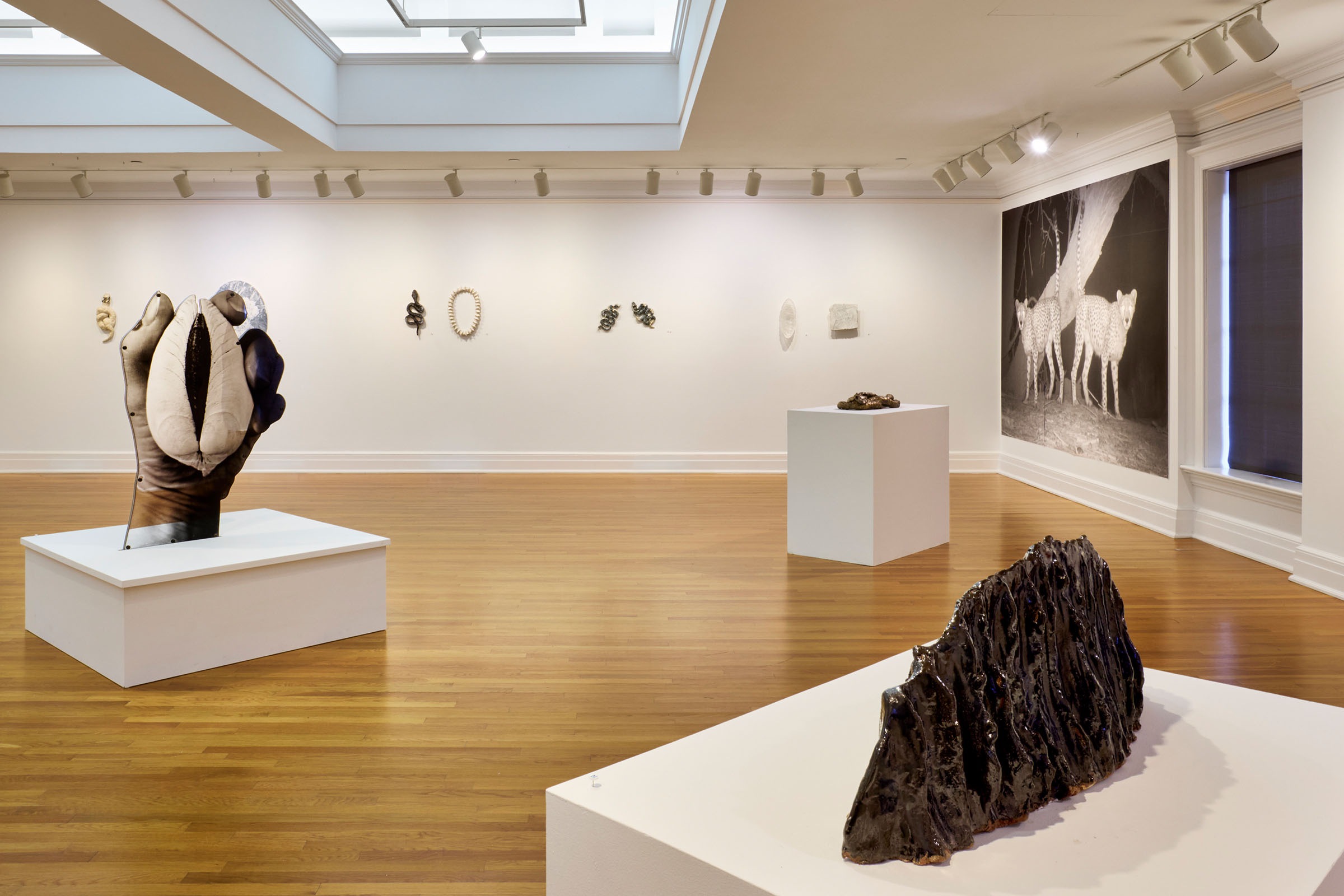
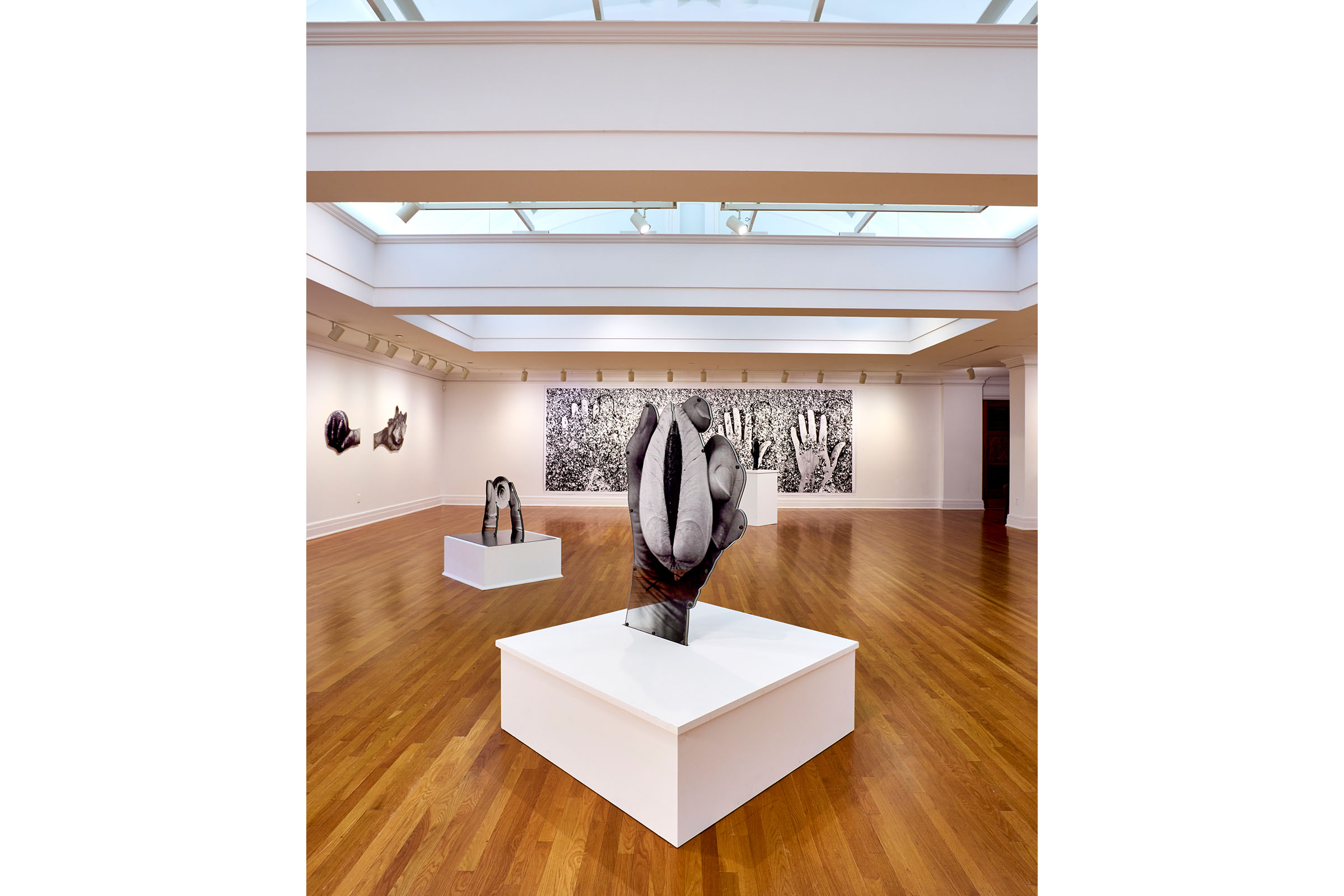
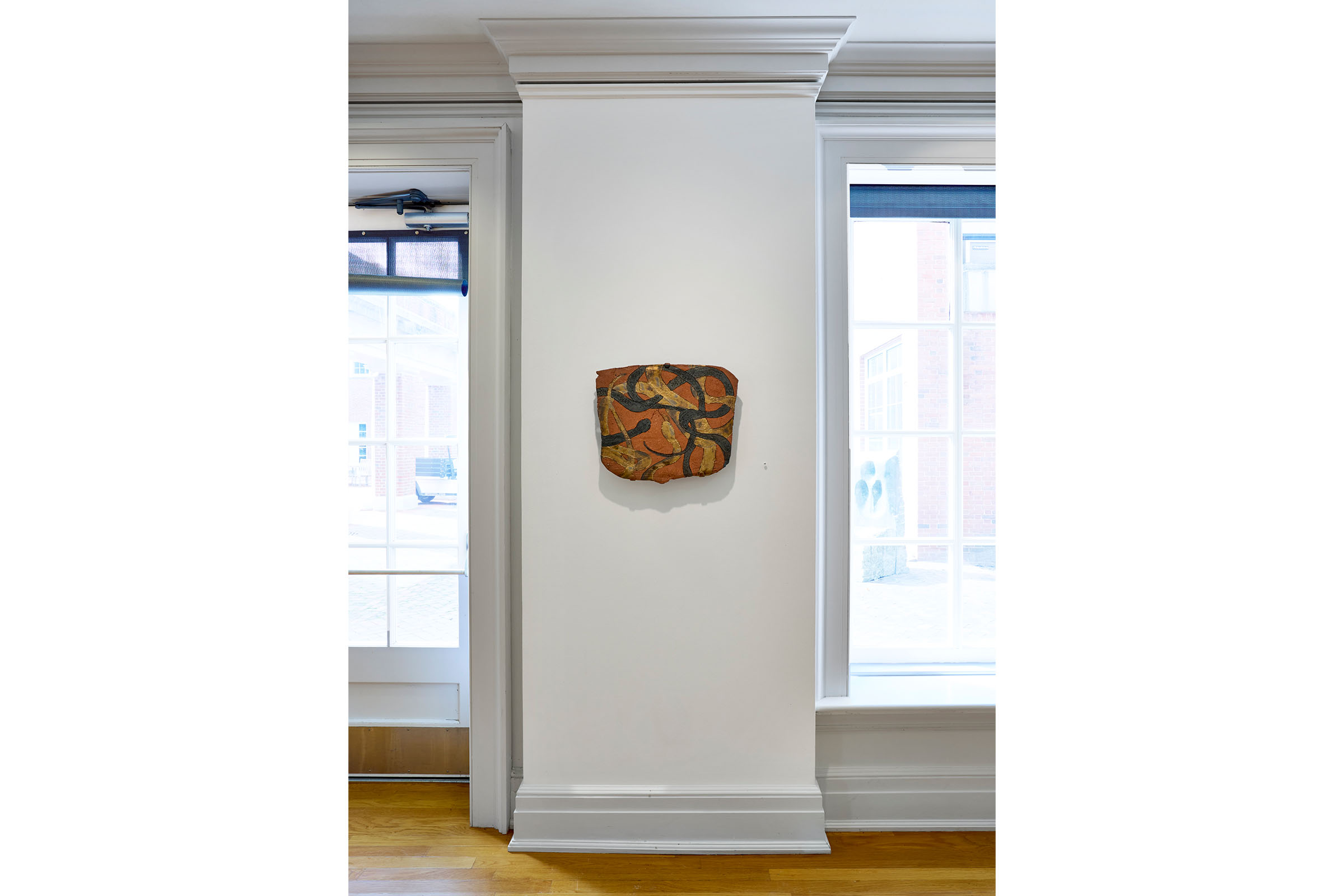
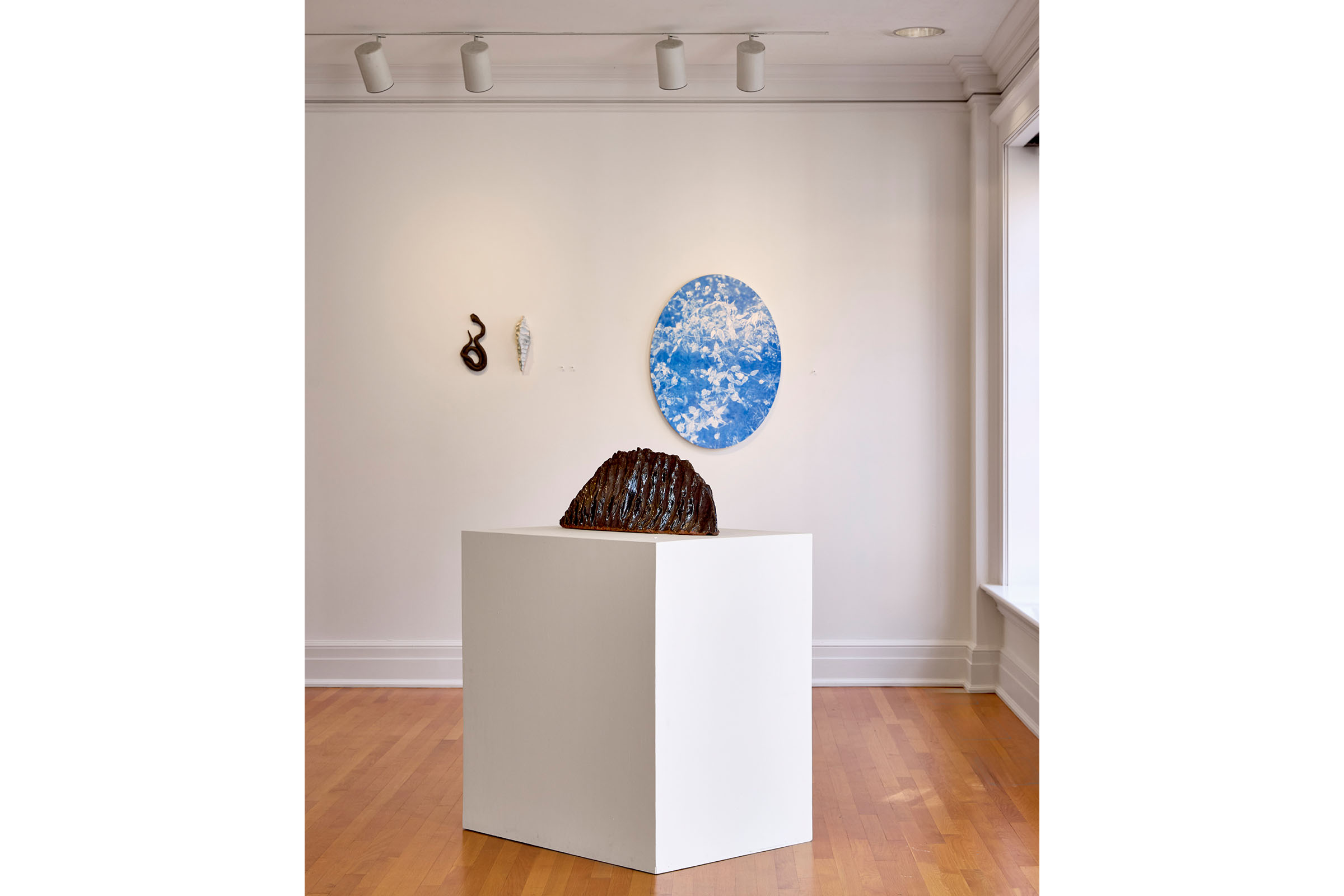
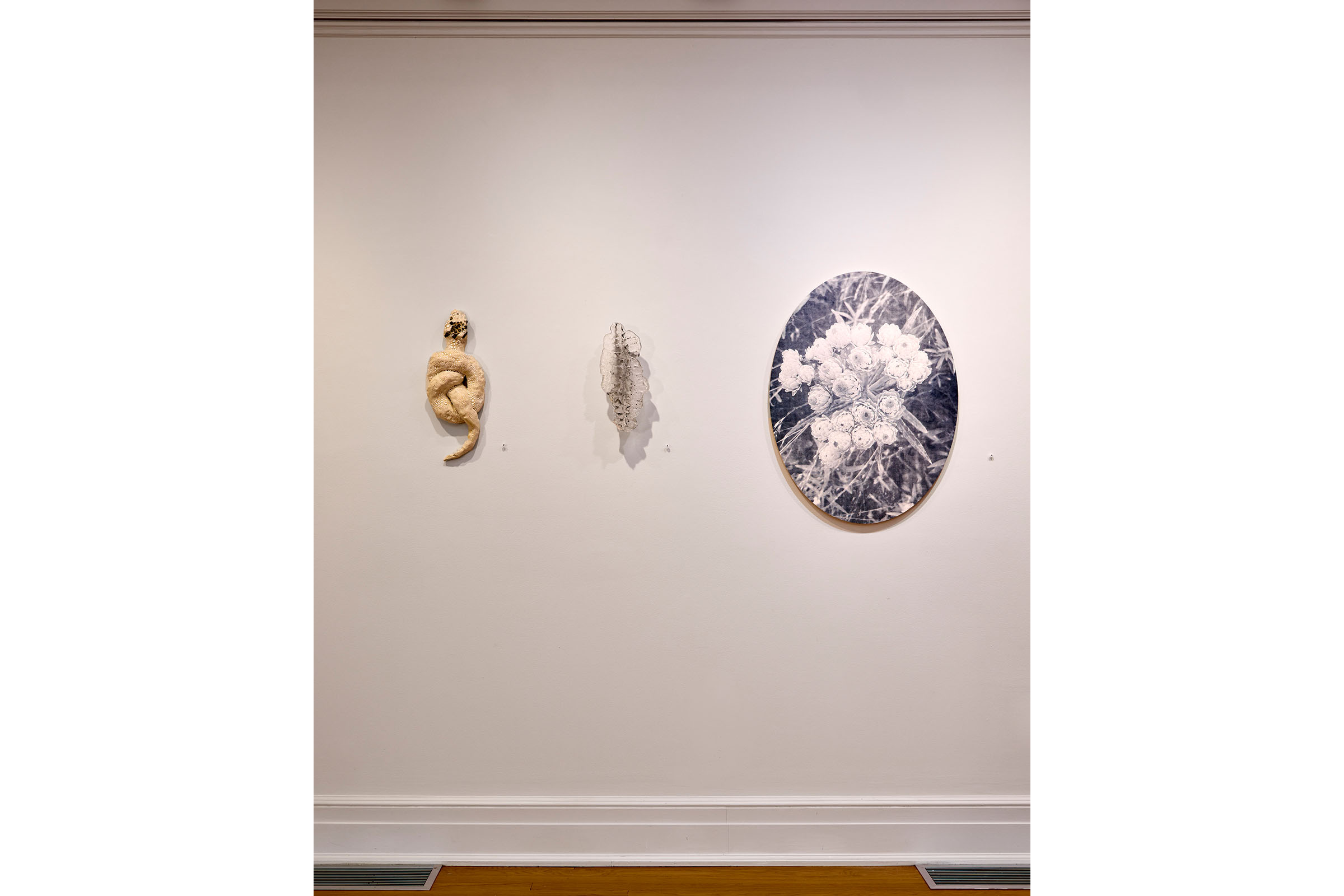
Eve Biddle: Field Notes
September 2 – October 18, 2026
Tremaine Art Gallery at Hotchkiss
Lakeville, CT
Curated by Terri Moore
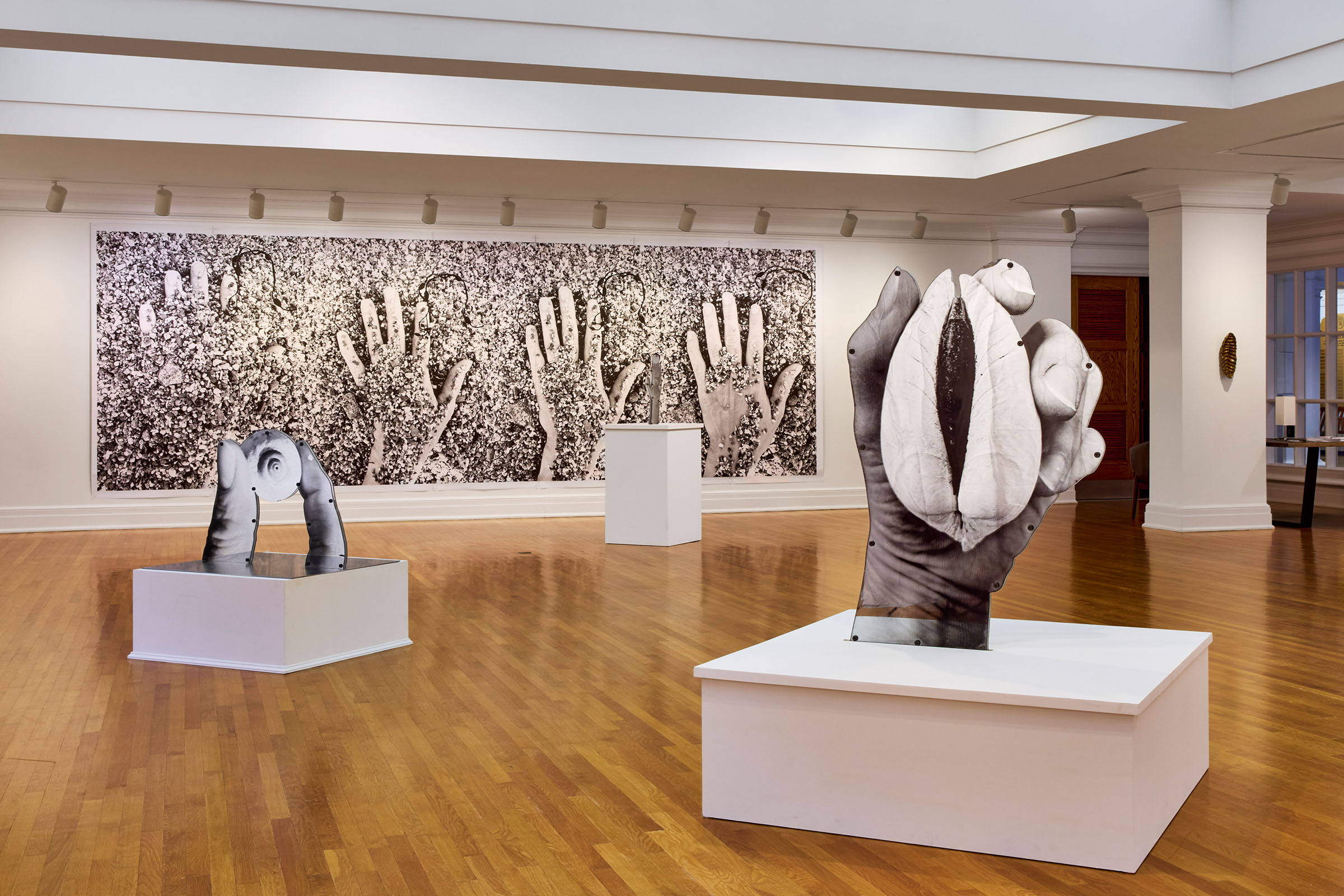
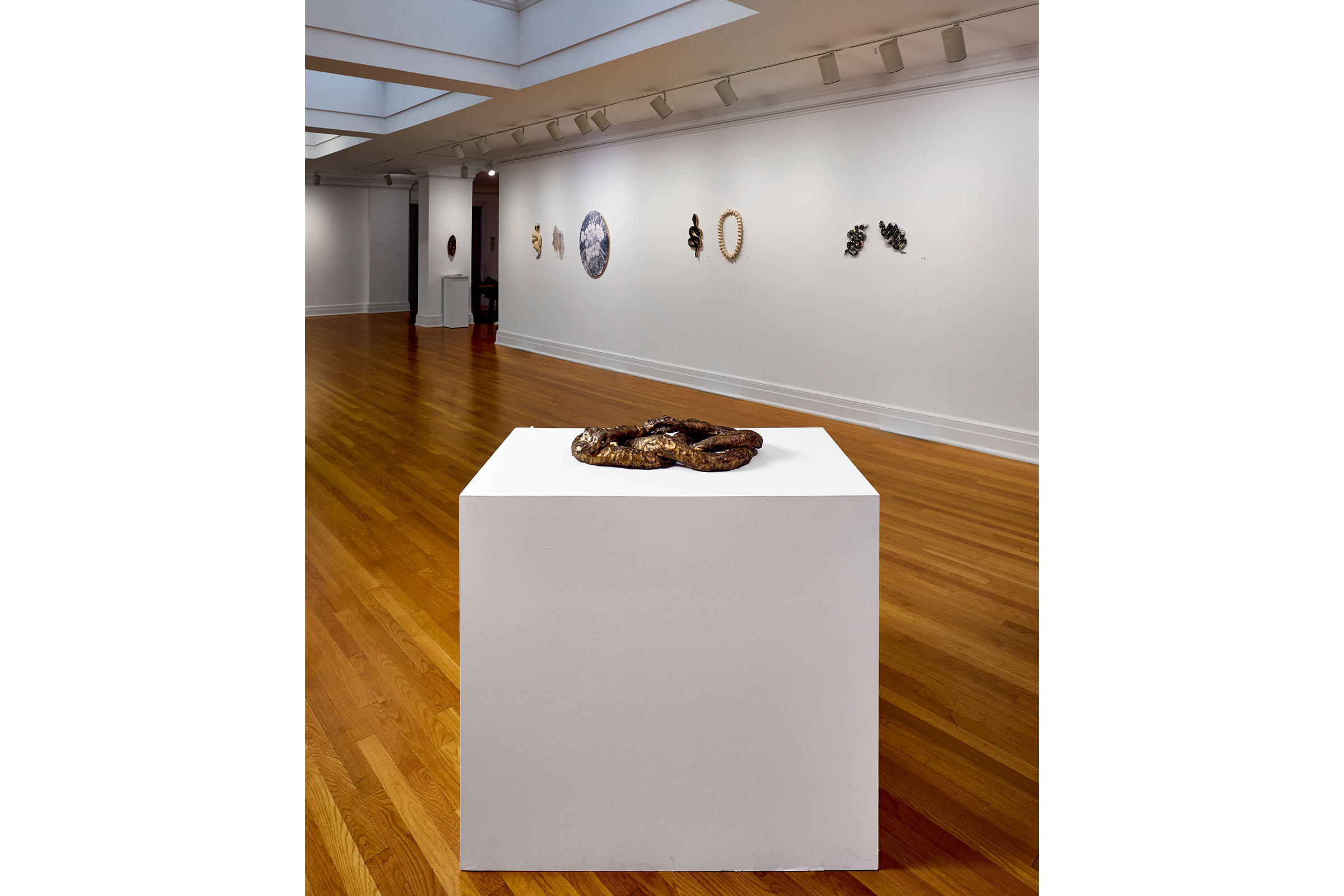
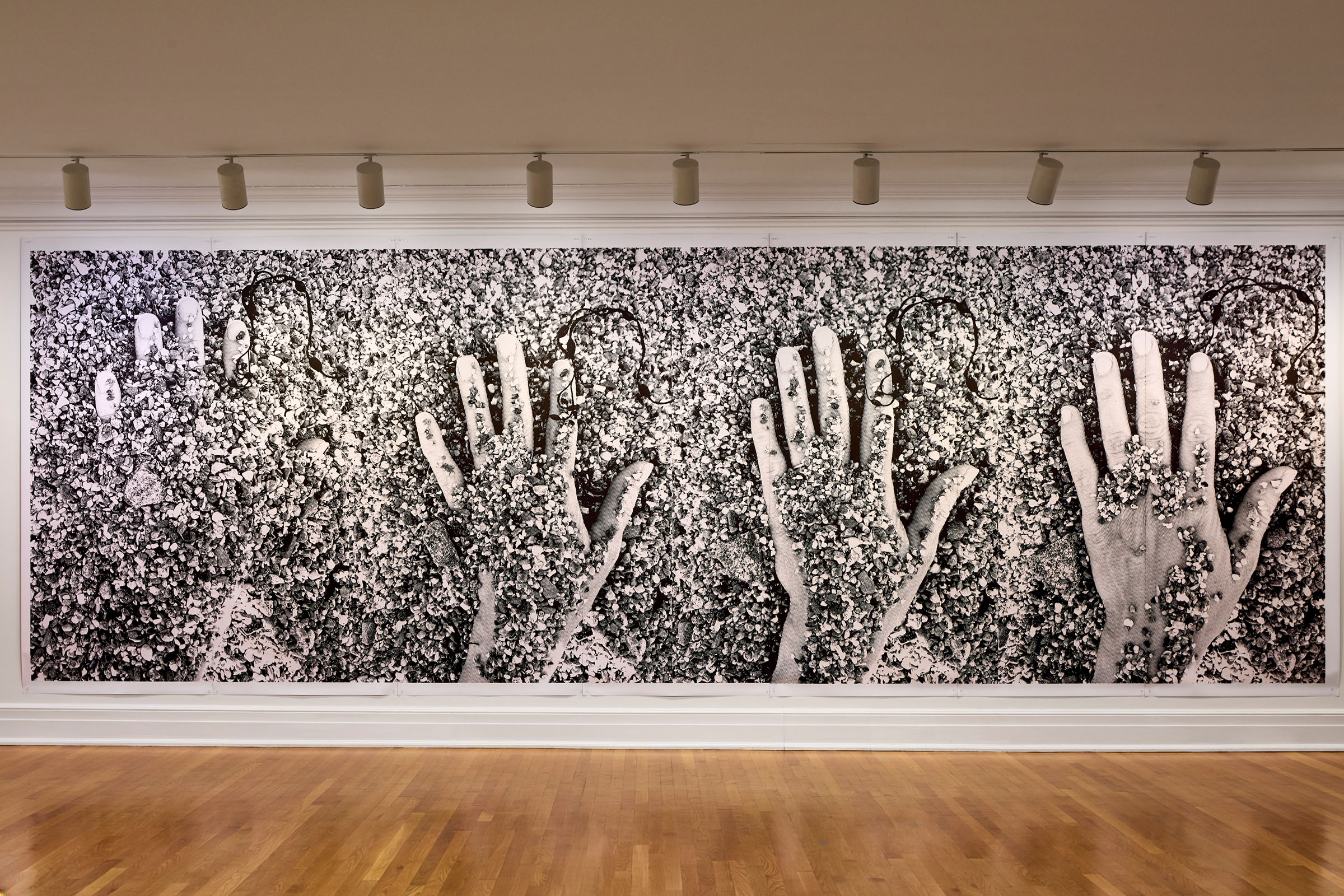
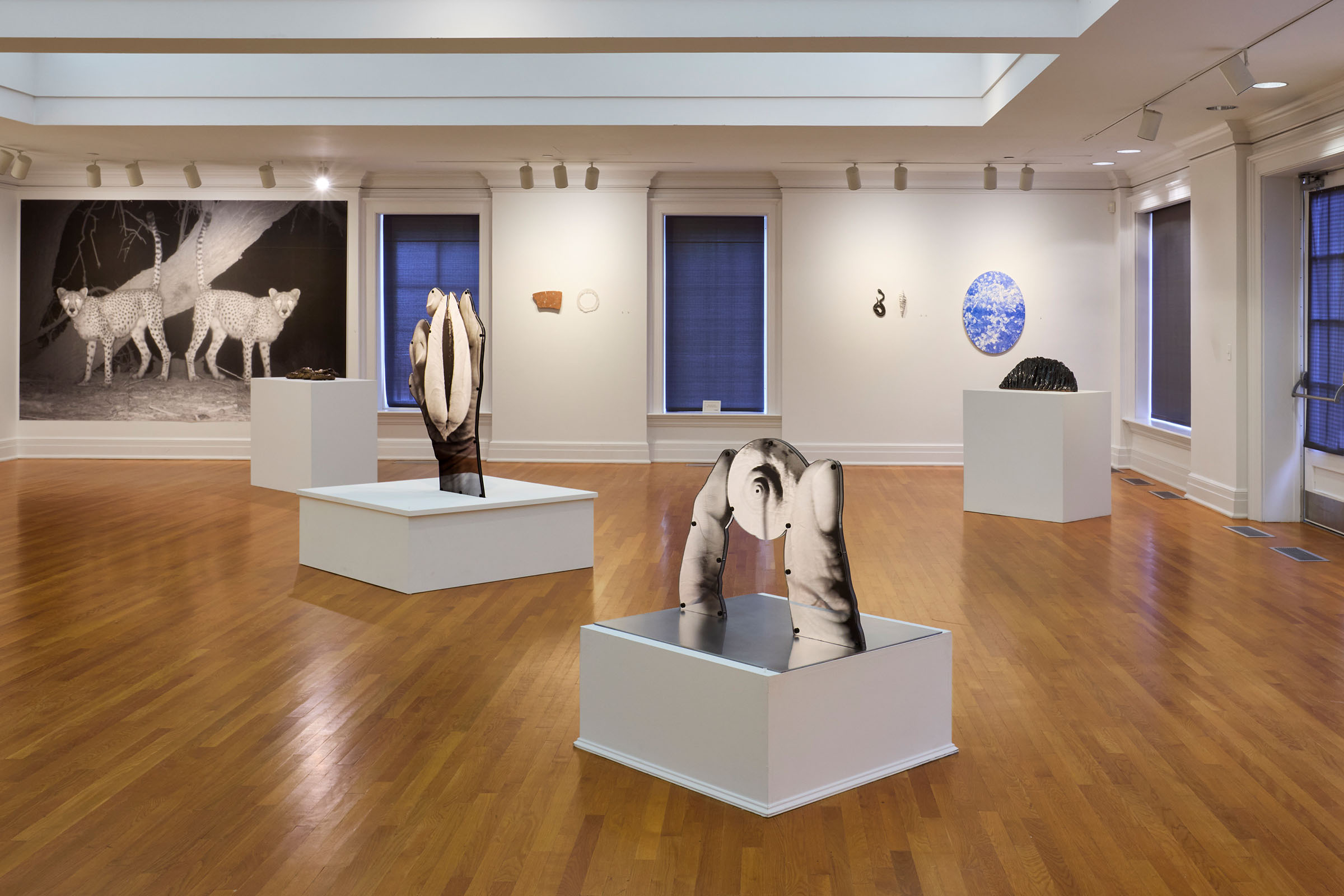
In Field Notes, Biddle presents works that draw on the symbolism of snakes as signs of life and fertility while referencing archaeological artifacts across time. The images follow a meandering path, suggesting that neither history nor our own lives move in straight lines. Nature appears ambiguously alive or dead, abstracted and literal at once.
Rather than documenting a specific place, Biddle reshapes the landscape genre through layering, translation, and physical intervention. Her work invites viewers to consider how memory, perception, and presence continually transform the natural world and our understanding of it.
Born in 1982, Eve Biddle is an American contemporary artist whose multidisciplinary practice encompasses object-making, printmaking, curation, and collaborative culture-building. She is a co-founder of the Wassaic Project, a contemporary arts institution in Wassaic, New York, and has collaborated with and presented at institutions including MASS MoCA, Art Omi, Bard College, Columbia University, Parsons School of Design, the School of Visual Arts, RISD, and Storm King. Her work has been exhibited at the Museum of Arts & Design, the Williams College Museum of Art, and Sargent's Daughters in New York. She lives and works between Wassaic and New York City.
Art critic Glenn Adamson writes of Biddle's work: "Her iconography is hermetic: serpents, pods, relics, bones, and her palette tends toward the saturnine. Initial appearances may be deceiving, however." Adamson notes that while her work may appear dark in palette and aspect, it "positively pulses with life." He points to the snake as a particularly resonant symbol in her work, an ancient emblem of life and eternity that embodies cycles of renewal, transformation, and possibility.
Through imagery that is simultaneously ancient and contemporary, personal and universal, Field Notes offers viewers an opportunity to reflect on the ways meaning accumulates over time and how memory, perception, and the natural world shape our understanding of the past and present.
Eve Biddle: Wonderlands
July 31, 2026 – February 28, 2027
Portland Museum of Art
Portland, Maine
Curated by Anjuli Lebowitz
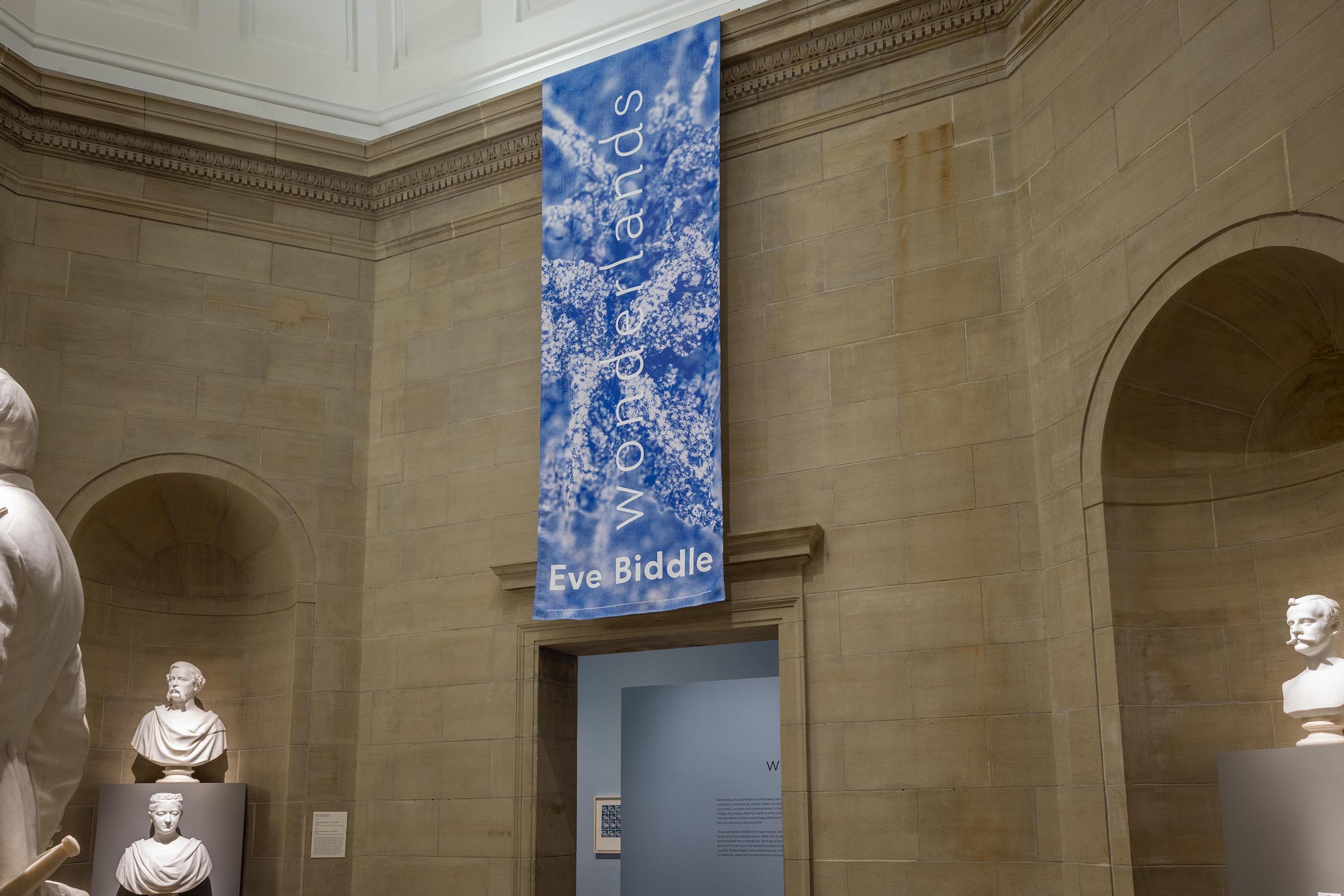
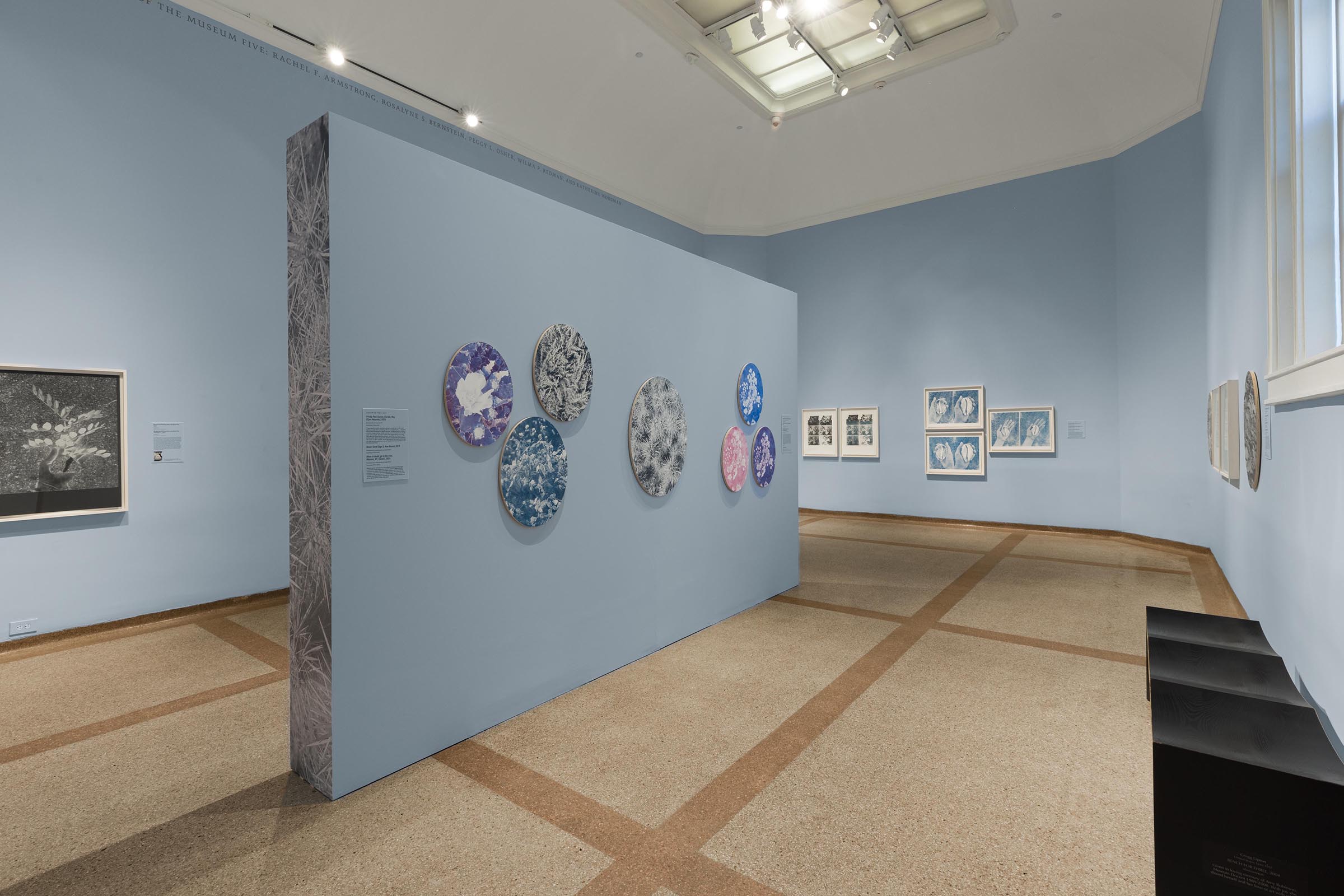
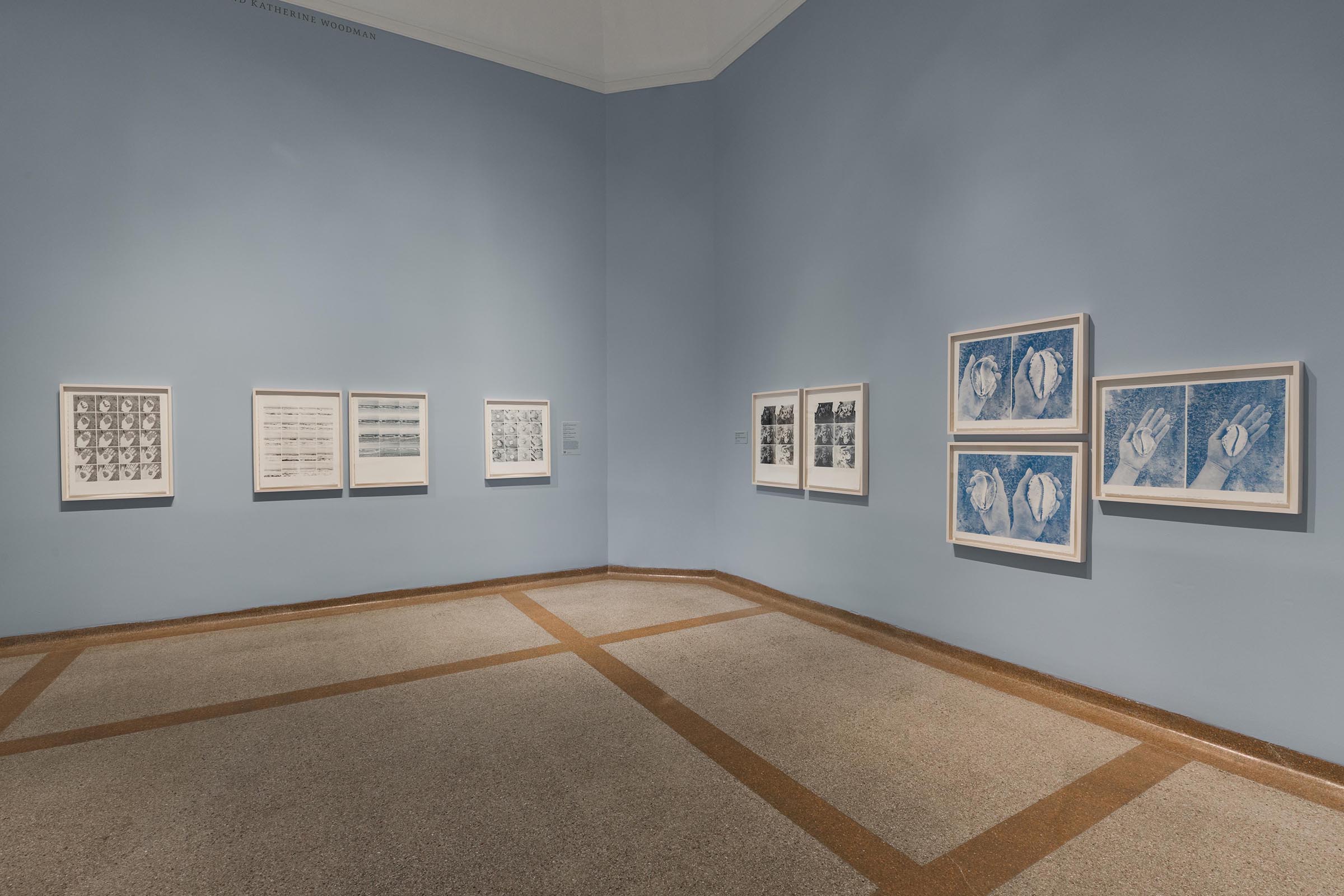
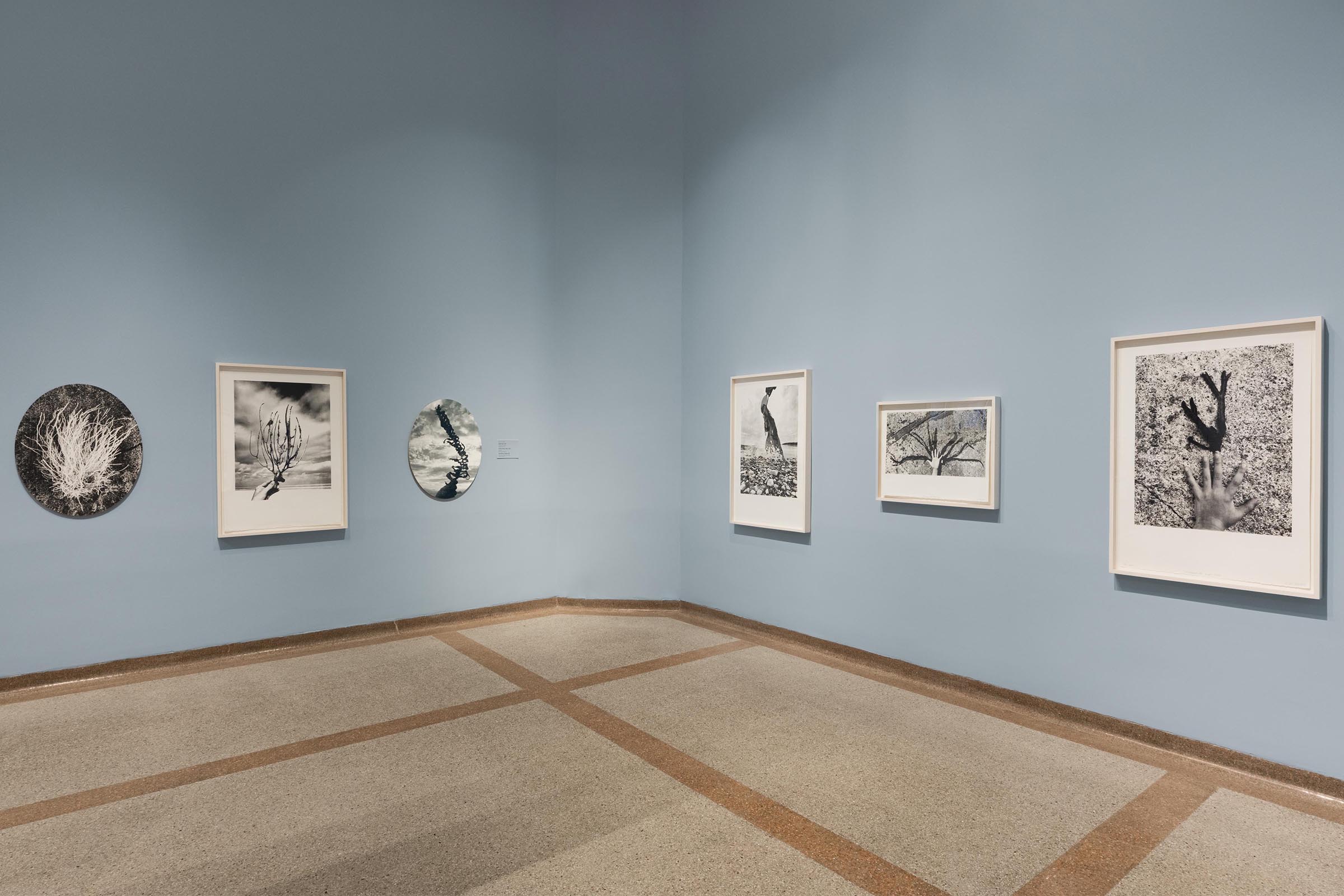
Wonderlands is the first solo institutional exhibition of work by Eve Biddle, a Brooklyn- and Wassaic-based artist whose practice spans sculpture, installation, and lens-based media.
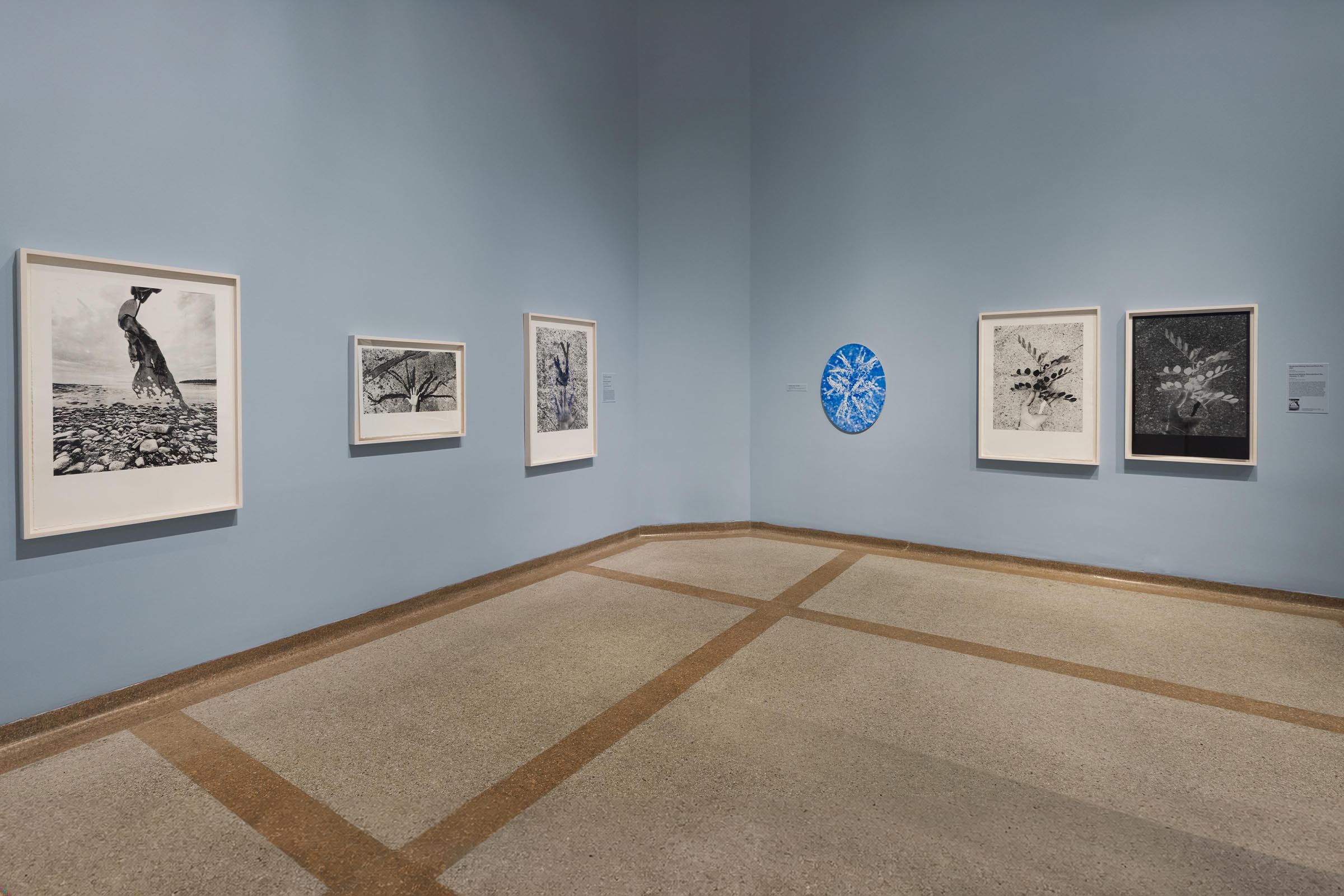
Focused on a recent body of photographic images translated into screenprint, the exhibition explores Biddle’s sustained engagement with material experimentation, repetition, and the emotional resonance of landscapes.
Across her work, fragments gathered from the environment—a rock, shell, kelp, or branch—become touchstones within shifting visual fields that move between clarity and abstraction, distance and intimacy. Rather than documenting place, Biddle reshapes the landscape genre through processes of layering, translation, and physical intervention, inviting viewers to consider how memory, perception, and presence transform the natural world.

A Solo Presentation with Geary Contemporary
May 7 – 9, 2025
Future Fair, New York
Exploring ideas of interiority, both literal and metaphorical, and drawing connections between the physical and emotional landscapes we inhabit, Biddle’s works evoke a sense of timelessness, appearing to be ancient artifacts or objects from a distant future. The exhibit features several of Biddle's “ellipses” which are images of local plants, rocks and flowers, screen printed onto oval wooden panels, as well as cast bronze sculptures made to resemble bones, trilobites, snakes and hands.

I have time for death and rebirth
October 19 – December 15, 2024
Geary Contemporary, Millerton, New York
I have time for death and rebirth marks a significant milestone in Biddle's artistic journey, as it is the first time she brings together various elements from her diverse practices into one cohesive presentation. This exhibition features an array of works, including silkscreen prints on paper and panel, large-scale sculptures, and mixed media pieces that span the last five years of her career. Overall, the exhibition offers a glimpse into Biddle’s “visual diary,” a parallel universe where her inner thoughts and emotions are externalized through her art. This show is an invitation to explore the intersections of abstraction and representation, light and dark, past and future, all through the lens of Biddle’s unique artistic vision.

Craft Front & Center: Conversation Pieces
June 1, 2024 – May 24, 2025
The Museum of Art and Design, New York
Exploring craft's collaborative practices, Craft Front & Center: Conversation Pieces brings pioneering twentieth-century craft artists into dialogue with contemporary artists who are rethinking craft techniques and materials. The exhibition draws from MAD's permanent collection and includes more than sixty historic, recently acquired, and commissioned works in a range of artistic media; most prominently, the central craft materials of ceramic, glass, and fiber.

Picnic at Hanging Rock Chapter II
July 27 – September 7, 2024
Sargent's daughters, Los Angeles
In Peter Weir’s 1975 film, Picnic at Hanging Rock, the contrasting spaces of the visible world, inhabited by prim Victorian school mistresses and dreamy adolescent girls, and the unseen world, embodied by the monolithic ancient rock cropping in the Australian Bush, are brought together is a lush visual union.

INTER-AFFECTION
August 04 – September 10,2023
Buffalo Institute for Contemporary Art
This exhibition features artists whose works complicate and reorient our understanding of our place within what writer James Bridle terms the “more-than-human” world. These artworks ask us to shift our perspective and invite empathy in; to open ourselves up to valuing relationships over abilities; to elevate shared, interconnected life above the level of dominance of nature demonstrated by Boniface. The natural world has the potential to teach, heal, awe, and uplift, but only if we can embrace the challenge and invitation always present in the non-human world. Curated by Katie Hood Morgan.

Eve Biddle | Mary Ann Unger: Generation
January 12 – February 18, 2023
Davidson Gallery, New York
The exhibition at Davidson Gallery features a selection of works by both Mary Ann Unger and Eve Biddle, marking the first comprehensive gallery presentation of Biddle's work. While highlighting the artists' distinctive practices in sculpture, drawing, and printmaking, Generation celebrates the creative and aesthetic dialogues that stemmed from their intimate and potent familial ties as mother and daughter. Curated by Ylinka Barotto.

Mary Ann Unger: To Shape a Moon from Bone
July 15 – December 22, 2022
Williams College Museum of Art, Williamstown, MA
Mary Ann Unger: To Shape a Moon from Bone is a full reconsideration of the multidisciplinary practice of one of the twentieth century’s great artists. The exhibition repositions Unger within and against the male-dominated New York sculpture scene in the last decades of the twentieth century. Works by Unger’s daughter, artist Eve Biddle, bring two generations of a family of artists into abundant conversation around memory and material evidence. Curated by Horace D. Ballard.

THE BURNING KITE
June 16 – July 25, 2021
Geary Gallery, Millerton, NY
Scott Alario, Eve Biddle, Olivier Catté, Lisa Corinne Davis, Catherine Haggarty, Christopher Saunders, and Ping Zheng. Curated by Dolly Bross Geary, Michelle Y. Loh, and Kristen Lorello.